
Quick answer
Dubai desert safari activities span adventure sports—dune bashing in 4x4 vehicles, quad biking, sandboarding—and cultural experiences including camel rides, falconry displays, henna painting, and traditional performances at Bedouin-style camps. Most safaris combine three to five activities in a single evening package, with dune drives typically running 20–30 minutes and camp-based experiences lasting two to three hours after sunset.
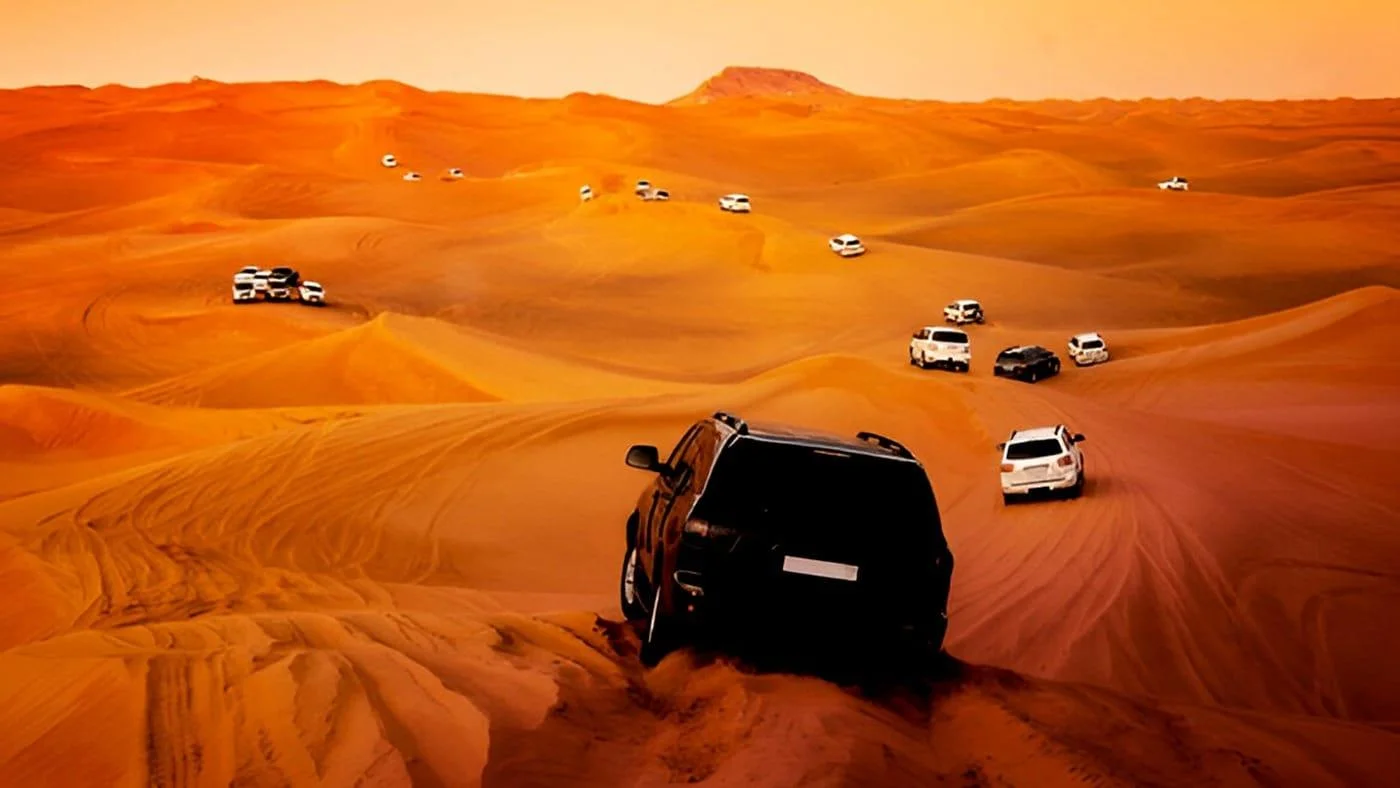
The conservation reserve spans 225 square kilometers of stabilized dunes, gravel plains, and acacia scrub, yet nearly all visitor activities concentrate in designated zones along the Al Ain Road corridor to minimize ecological disruption. This zoning shapes how safaris are structured: high-impact activities happen early in controlled dune fields, while the evening shifts to static camps where the desert becomes backdrop rather than playground. Dune bashing anchors most programs—drivers deflate tires to 15 PSI and pilot modified Land Cruisers up slip faces and down bowls in choreographed routes that feel spontaneous but follow erosion-management patterns. The sensation oscillates between roller-coaster drops and controlled slides, with vehicles frequently cresting ridges at angles that send smartphones sliding across dashboards. Sandboarding follows the same dune systems on foot: guides issue waxed boards and point to slopes; technique matters less than committing to the descent. Quad biking and dune buggies operate in separate track zones—typically 15–20 minute sessions where riders navigate marked loops under supervision. Camel rides bridge the activity categories. Most camps maintain small strings of trained dromedaries for 10–15 minute walks along flat inter-dune corridors—enough time to appreciate the animal's gait and the silence between dunes, not long enough for the novelty to wear thin. Falconry demonstrations last five to eight minutes: handlers fly trained birds between perches, explain hunting techniques, and offer photo opportunities with the hooded raptor on your gloved forearm. Camp-based activities fill the two hours between arrival and dinner service. Henna artists work from pattern books, applying temporary designs that darken over the following 12 hours. Shisha stations offer flavored tobacco in traditional water pipes. Photo opportunities proliferate—falcon perches, costume racks with kanduras and abayas, illuminated desert backdrops. The sequence culminates in performance: a 20-minute rotation of Tanoura spinning, fire handling, and dabke line dancing while dinner is plated. These experiences rarely demand participation beyond watching and occasional applause, which suits the demographic—most visitors arrive after a full day of urban sightseeing and prefer observation to exertion by nightfall.
“The conservation reserve spans 225 square kilometers, yet nearly all visitor activities concentrate in designated zones to minimize ecological disruption.”
Best Time for Dubai Desert Safari Activities
November through March, arriving between 15:00 and 16:30, is the strongest window for desert safari activities: air temperatures sit in the low-to-mid 20s Celsius, dune surfaces stay firm enough for sandboarding and dune bashing, and that arrival slot lines up with the cooler late-afternoon light that sunset photography and camel rides depend on.
November-March
Peak season, higher vehicle counts on dunesLow-to-mid 20s°C daytime, cool evenings
Comfortable temperatures support full-length dune bashing and sandboarding sessions, with camel rides less strenuous on animals and riders alike.
June-August
Lighter crowds, fewer operators running middayOften 40°C+ by midday, high humidity
Midday heat makes sandboarding and prolonged dune bashing riskier; activities shift almost entirely to the 15:00-16:30 window and after.
April-May and September-October
Moderate, transitional crowd levelsUpper 20s to low 30s°C
Shoulder months still support most activities in the afternoon window, though midday sun limits comfort for sandboarding.
Daily 15:00-16:30 arrival
Vehicles cluster here for sunset drives— (cooler than midday year-round)
This window gives dune bashing and camel rides softer light and lower heat, and positions visitors for sunset photography as the sun drops over the dunes.
Midday (11:00-14:00), any season
Thinner crowds, most tours avoid this slotHottest part of the day year-round
Sand and vehicle interiors heat up enough that sandboarding and extended dune bashing are largely paused until the afternoon window returns.
Verdict: For the fullest range of activities in comfortable conditions, aim for a November-to-March visit with arrival timed to 15:00-16:30.
Dubai Desert Safari Activities Worth Knowing About
Desert safari tours based around the Dubai Desert Conservation Reserve area bundle together a set of distinct activities, each with its own vehicle, terrain, or format. Knowing what each one actually involves helps you match a tour to what you want out of the dunes.
Dune bashing
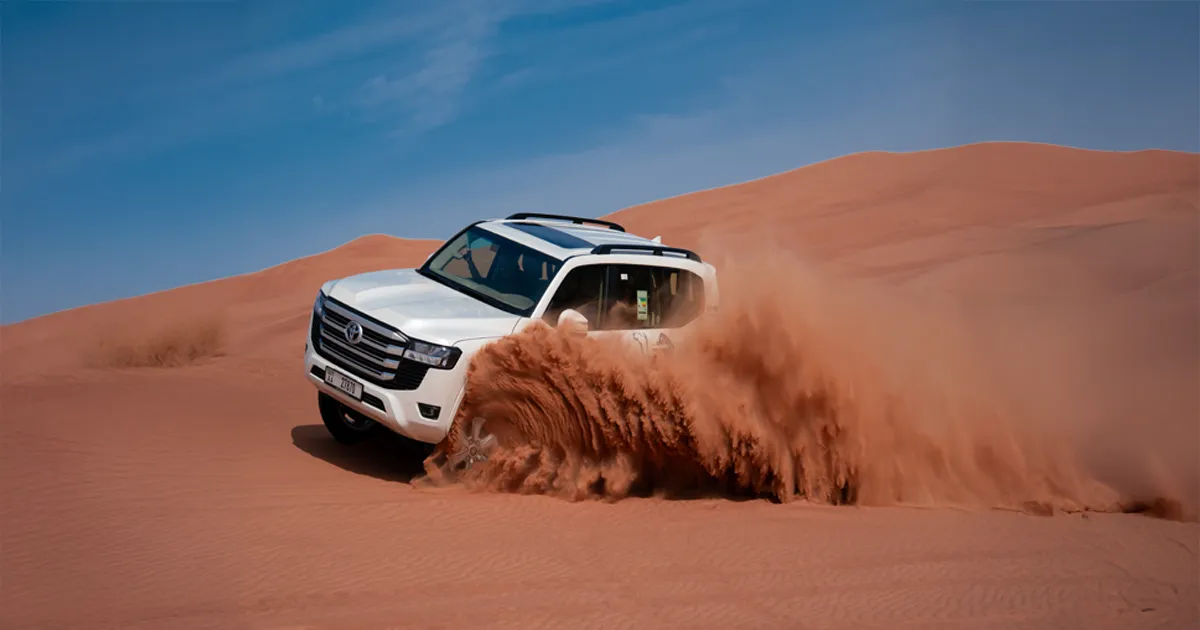
A 4x4 (typically a Toyota Land Cruiser) is driven over crests and troughs of red dunes, with the driver using momentum and tyre pressure to climb and slide down steep sand faces.
Sit mid-row, brace on the handle, expect sharp lateral drops.
Sandboarding
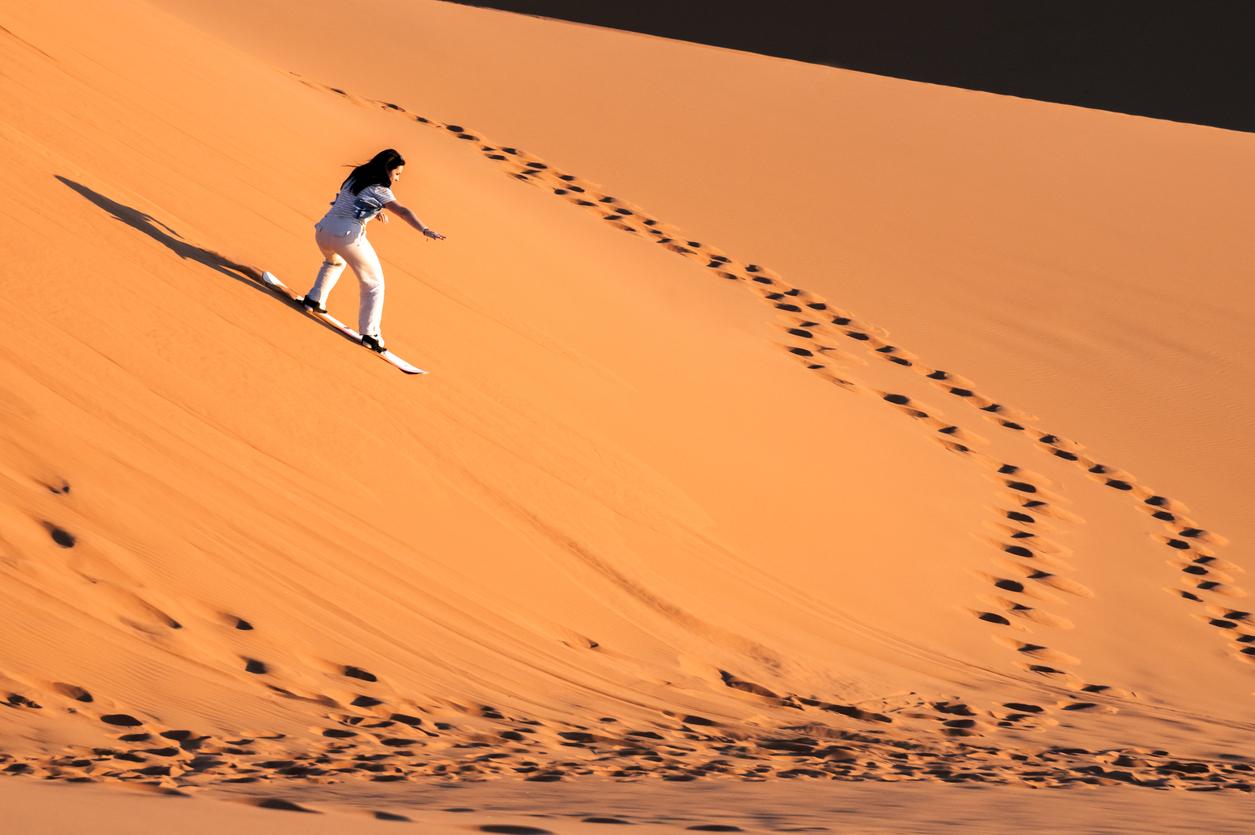
Riders stand or lie on a wide board and slide down a dune slope, similar to snowboarding but slower and grittier due to sand friction.
Wax the board underside first for a longer glide.
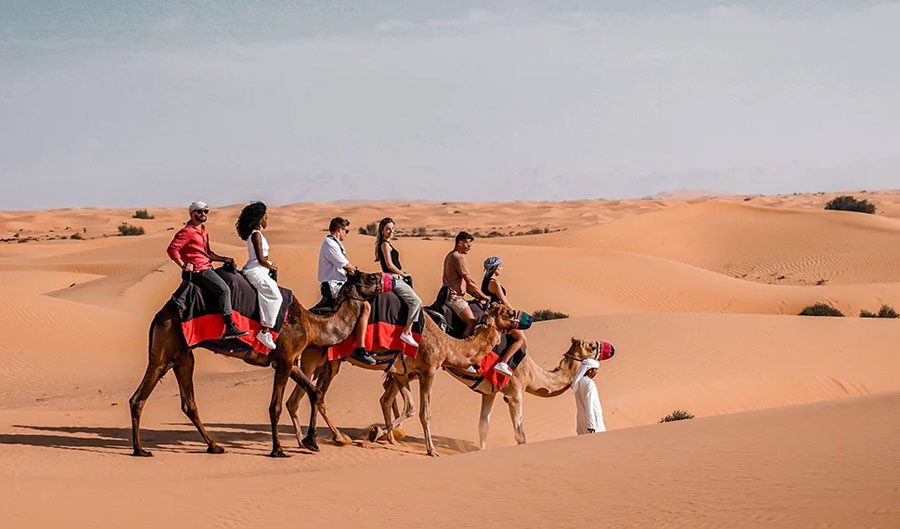
Camel trekking
A short guided ride on a saddled camel, usually led by a handler on foot or by rope in a small line of animals, crossing flat or gently sloped desert.
Mount from the kneeling position, lean back on descent.
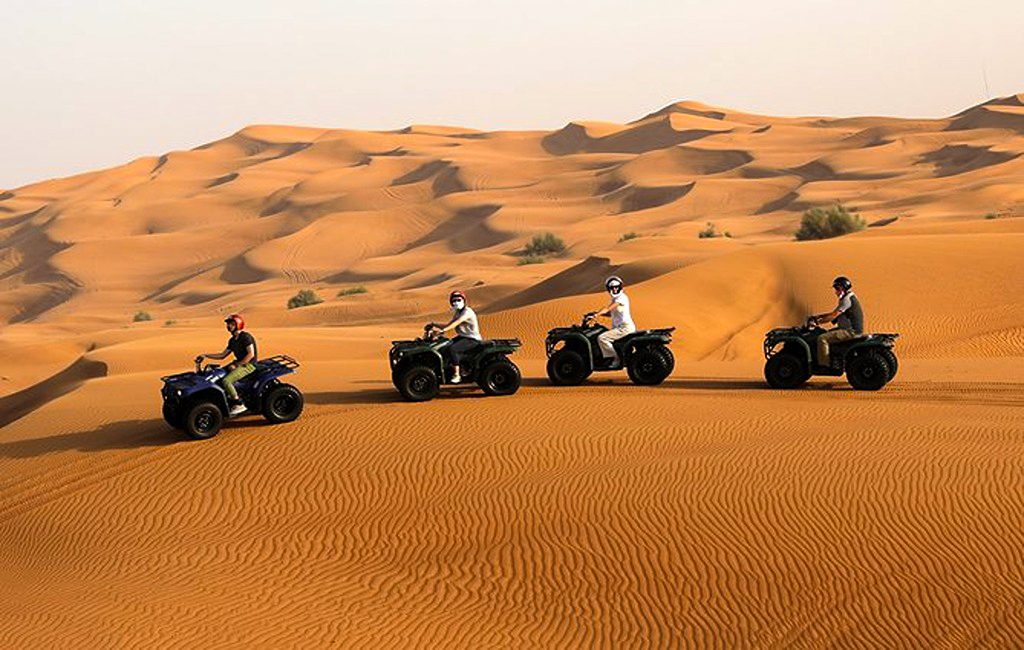
Quad biking
Riders drive a single-seat all-terrain quad bike along marked desert tracks, controlling throttle and balance over uneven sand independently rather than as a passenger.
Keep speed low on the first turn to judge sand grip.
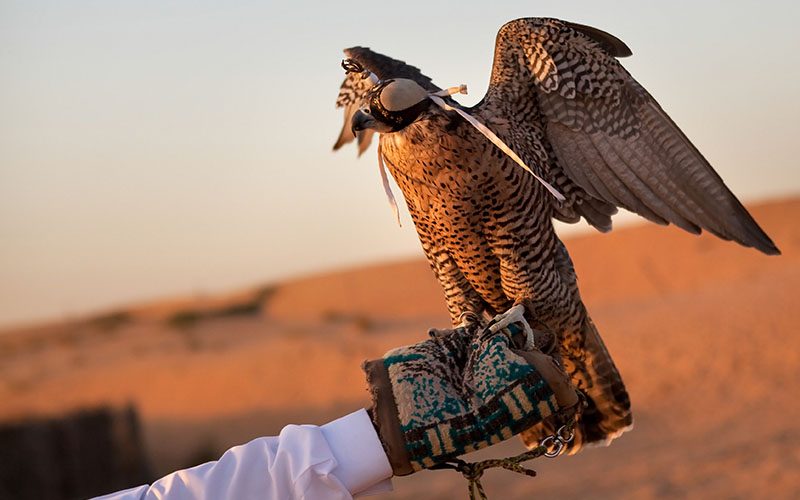
Falconry displays
A trained falconer flies a falcon (commonly a peregrine or saker) from the arm to a lure or perch, explaining the bird's role in Emirati hunting tradition.
Stand near the handler's release point, not the lure.
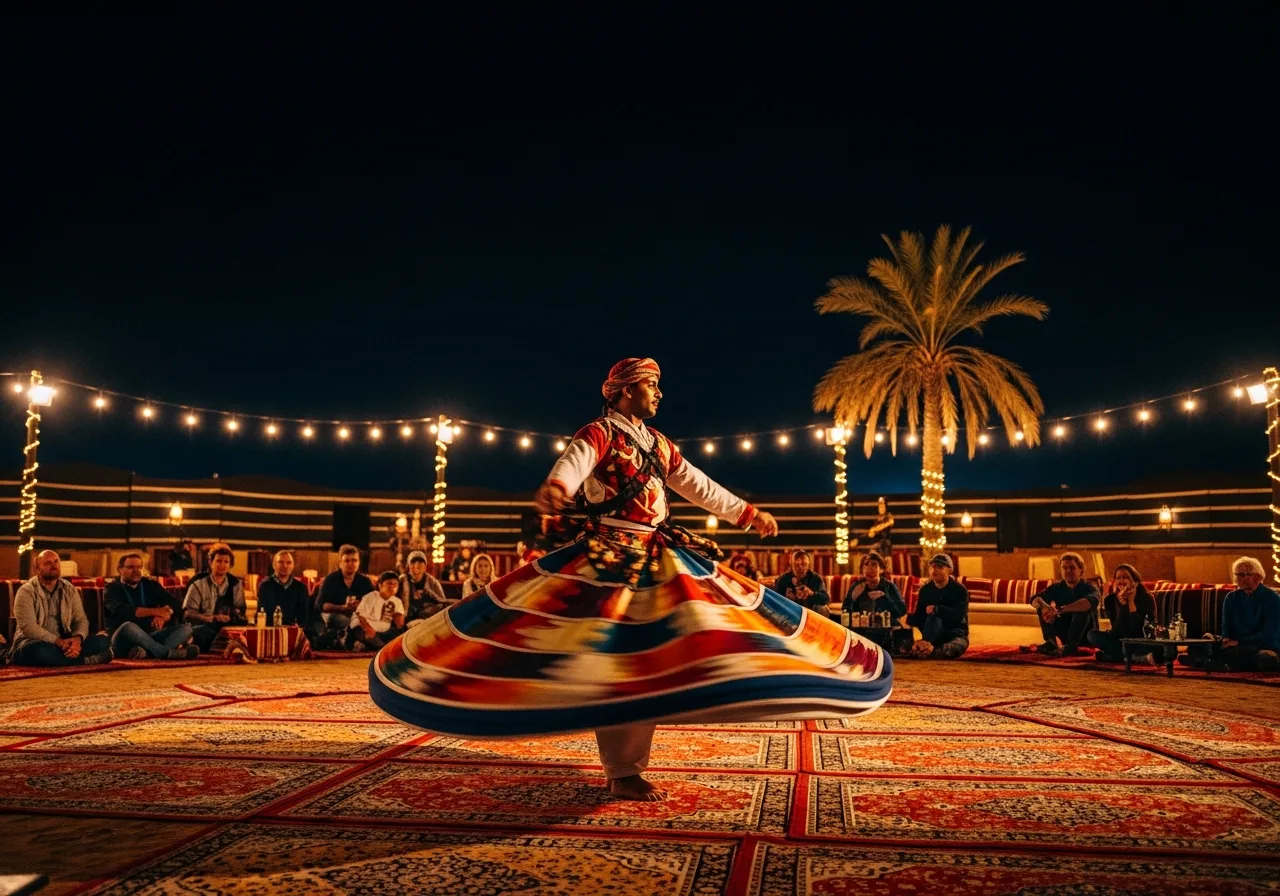
Camp entertainment
Evening desert camps feature Tanoura spinning dance and belly dance performances staged around a central fire pit or stage area, alongside shisha lounges and seating.
Position near the stage edge before the Tanoura spin starts.
How to Plan Your Dubai Desert Safari Activities Visit
This plan suits first-time visitors wanting the full desert experience in a single afternoon and evening. Expect 6–7 hours total, including pickup and return transfer.
Hotel Pickup and Transfer
Your 4×4 collects you from your Dubai hotel and drives 45–60 minutes along Al Ain Road to the reserve gate.
Dune Bashing and Photo Stop
The driver tackles red dunes in a controlled route; a mid-session pause lets you photograph the rippled sand and distant ridges.
Camel Ride and Sandboarding
Short camel walk around marked trails, then sandboarding down gentler slopes—bring your own GoPro mount if you want action footage.
Camp Arrival and Sunset
Reach the Bedouin-style camp as the sun drops; grab Arabic coffee and dates while the sky shifts through orange and violet.
Evening Activities and Dinner
Try henna painting, falconry demonstrations, and shisha before the buffet opens—grilled meats, mezze, and dessert stations with live tanoura and belly-dance performances.
Return Transfer
Vehicles depart the camp in convoy; you're back at your hotel by 22:00, earlier if you're in a central zone.
Getting to the Dubai Desert for Safari Activities
The Dubai Desert Conservation Reserve sits along Al Ain Road (E66), roughly 40 to 50 minutes from central Dubai, and almost every visitor reaches it as part of an organized pickup rather than arriving independently.
E66 Al Ain Road, signed turnoffs south of Dubai city
Metered taxi via Sheikh Mohammed Bin Zayed Road to E66 Al Ain Road
Not applicable inside the reserve — access points are unmarked and unsafe to approach on foot
Hotel or downtown pickup point to reserve via E66, arranged by tour operator
Dos and Don'ts for Dubai Desert Safari Activities
The Dubai Desert Conservation Reserve enforces strict conduct rules to protect fragile ecosystems and wildlife. Follow marked routes, respect distance from animals, and prepare for sand and heat.
Do
- Stay on designated tracks during dune drives and walks
- Wear closed-toe shoes and light, long clothing for sun protection
- Carry water and drink regularly in the desert heat
- Keep a respectful distance from wildlife and vegetation
- Ask permission before photographing other tour groups
Don't
- Drive off-trail or disturb plants and protected species
- Leave litter or remove natural materials from the reserve
- Approach or feed wild animals during safari stops
- Wear open sandals or unsuitable footwear for sand activities
- Use flash photography near animals or during night activities
Dubai Desert Safari Activities With Kids
Dubai desert safari activities split sharply by age: camel rides and camp entertainment welcome most children, while dune bashing and quad biking carry vehicle-specific and operator-specific age or height minimums. Confirm restrictions when booking, since limits vary by transfer vehicle and activity provider.
Age sweet spot
Camel rides and camp entertainment (dancing, henna, photo stops) generally suit young children, while dune bashing and quad biking commonly carry minimum age or height rules set by the operator and vehicle type.
Motion sickness
Dune bashing involves sharp, repeated turns over sand hills that can trigger nausea in children and adults alike; ask about seating position and whether the driver can moderate intensity for younger riders.
Rest stops
Desert drives typically include stationary stops for photos or dune walks, which double as breaks for children who need to steady themselves between bashing segments.
Strollers
Loose sand makes standard strollers impractical across most of the reserve; a lightweight, foldable option carried by hand works better than one pushed on the dunes.
Facilities
Restrooms and shaded seating are generally available at camp sites rather than out on the open dunes, so plan bathroom breaks around camp arrival.
Keeping them engaged
Camel rides, falconry displays, and camp-based entertainment tend to hold children's attention better than the vehicle-based activities, which are more restriction-heavy for younger family members.
Checklist Before Your Dubai Desert Safari Activities
Complete these steps before your desert safari to ensure a smooth experience.
-
Confirm your pickup time and location — Tours depart between 15:00–16:30; verify your hotel pickup details 24 hours ahead.
-
Wear closed-toe shoes or sturdy sandals — Sand fills open footwear during dune drives and walking segments.
-
Pack sunglasses and a light scarf — Protect eyes and face from dust kicked up during buggy rides and desert winds.
-
Bring motion sickness tablets if prone — Dune bashing involves steep climbs and quick descents over sand ridges.
-
Charge your phone and camera fully — The desert offers no charging points; sunset and star photography drain batteries quickly.
-
Pack a light jacket for evening — Temperatures drop 10–15°C after sunset in the open desert.
-
Apply sunscreen before departure — UV exposure remains high even during late-afternoon activities.
Check availability
FAQ: Dubai Desert Safari Activities
Everything you need to know about dubai desert safari activities